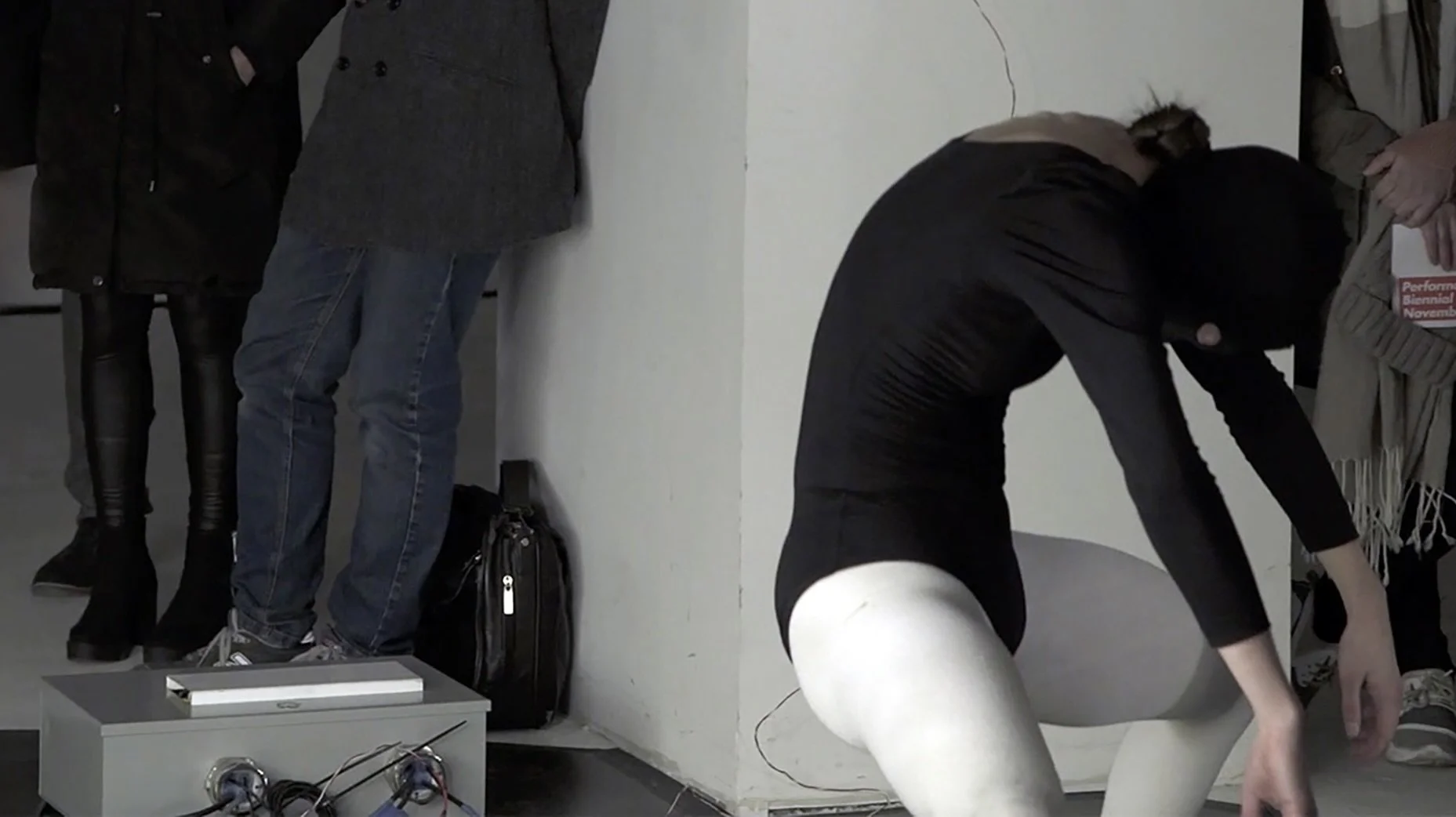
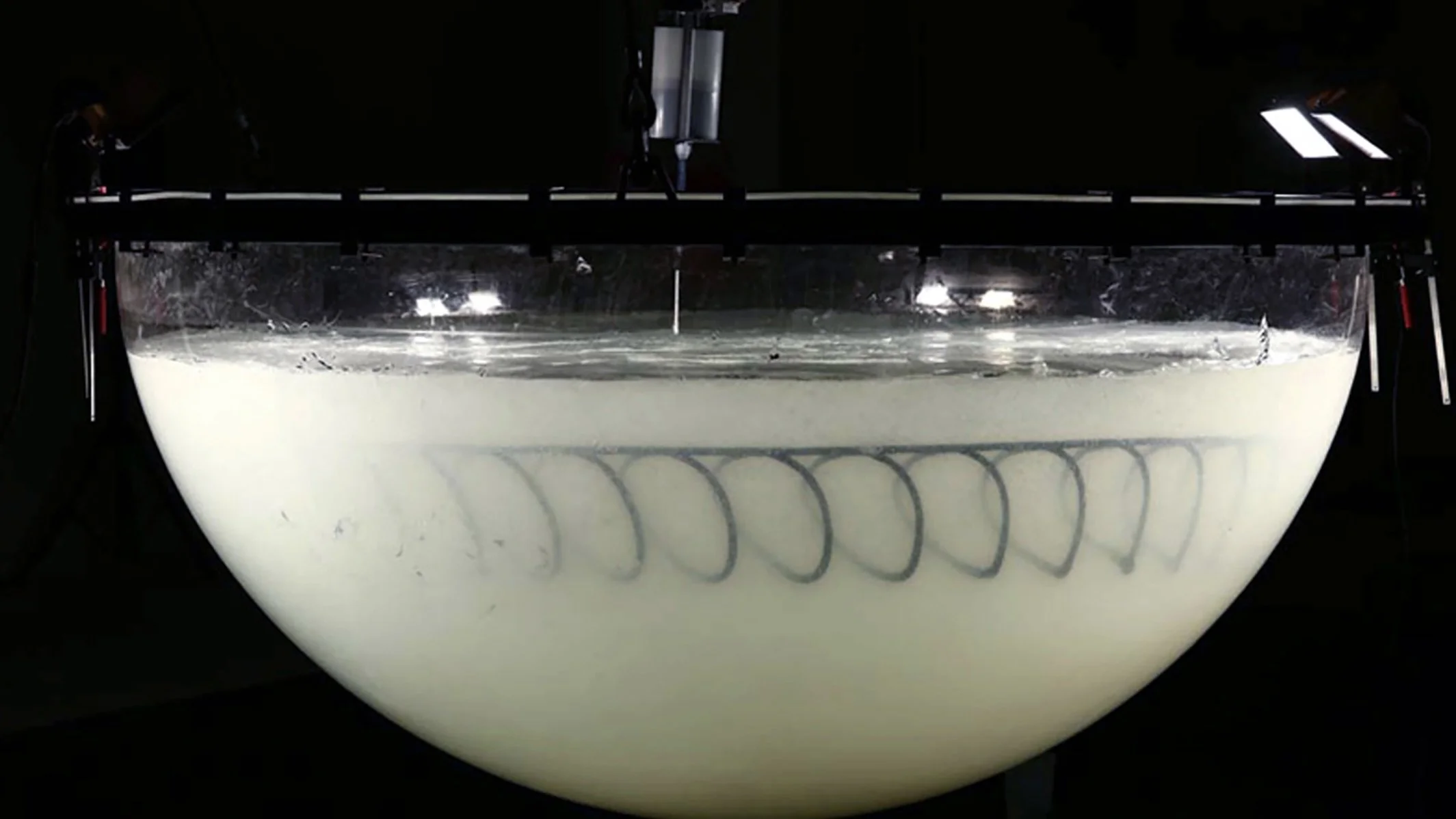
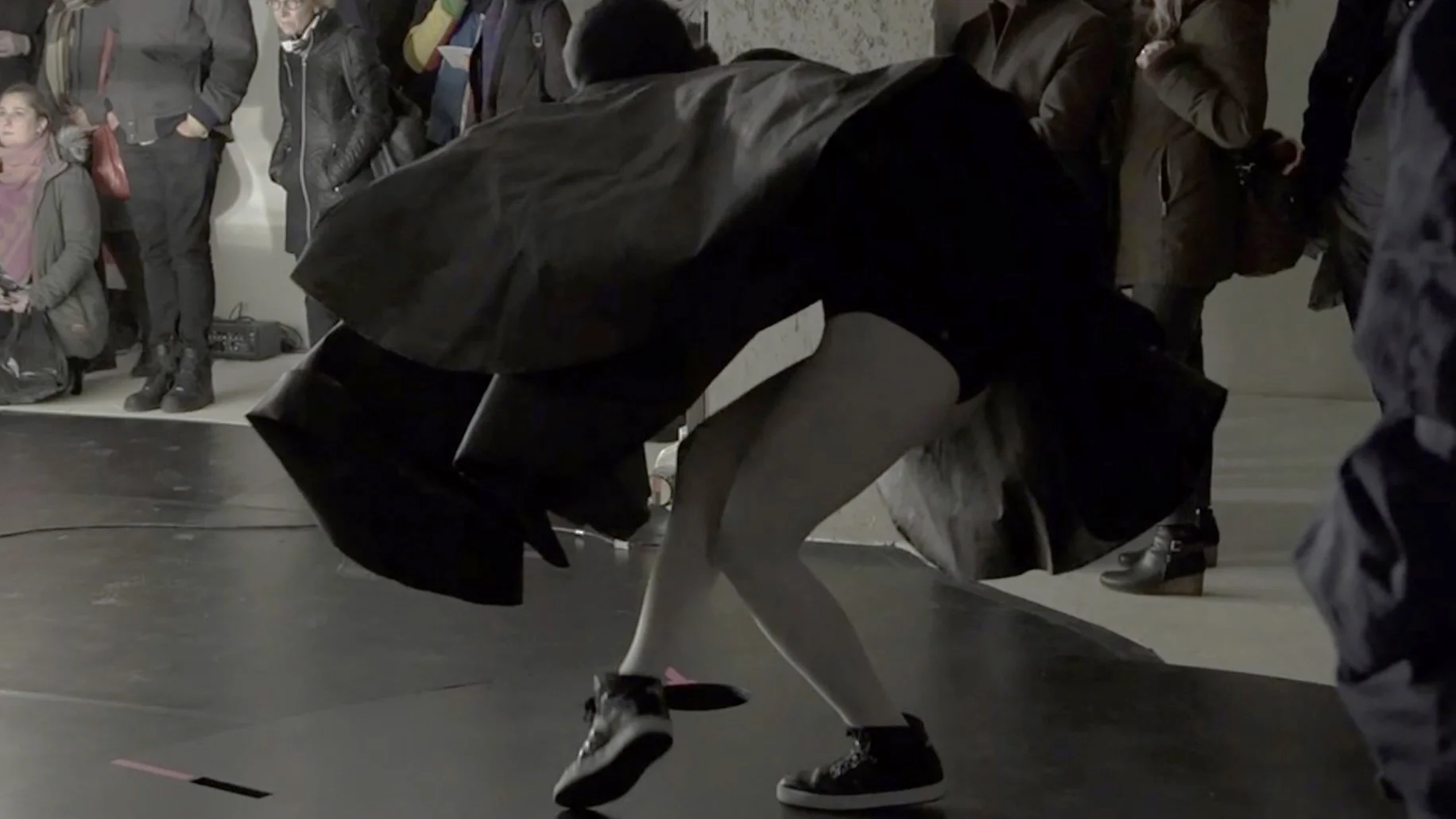
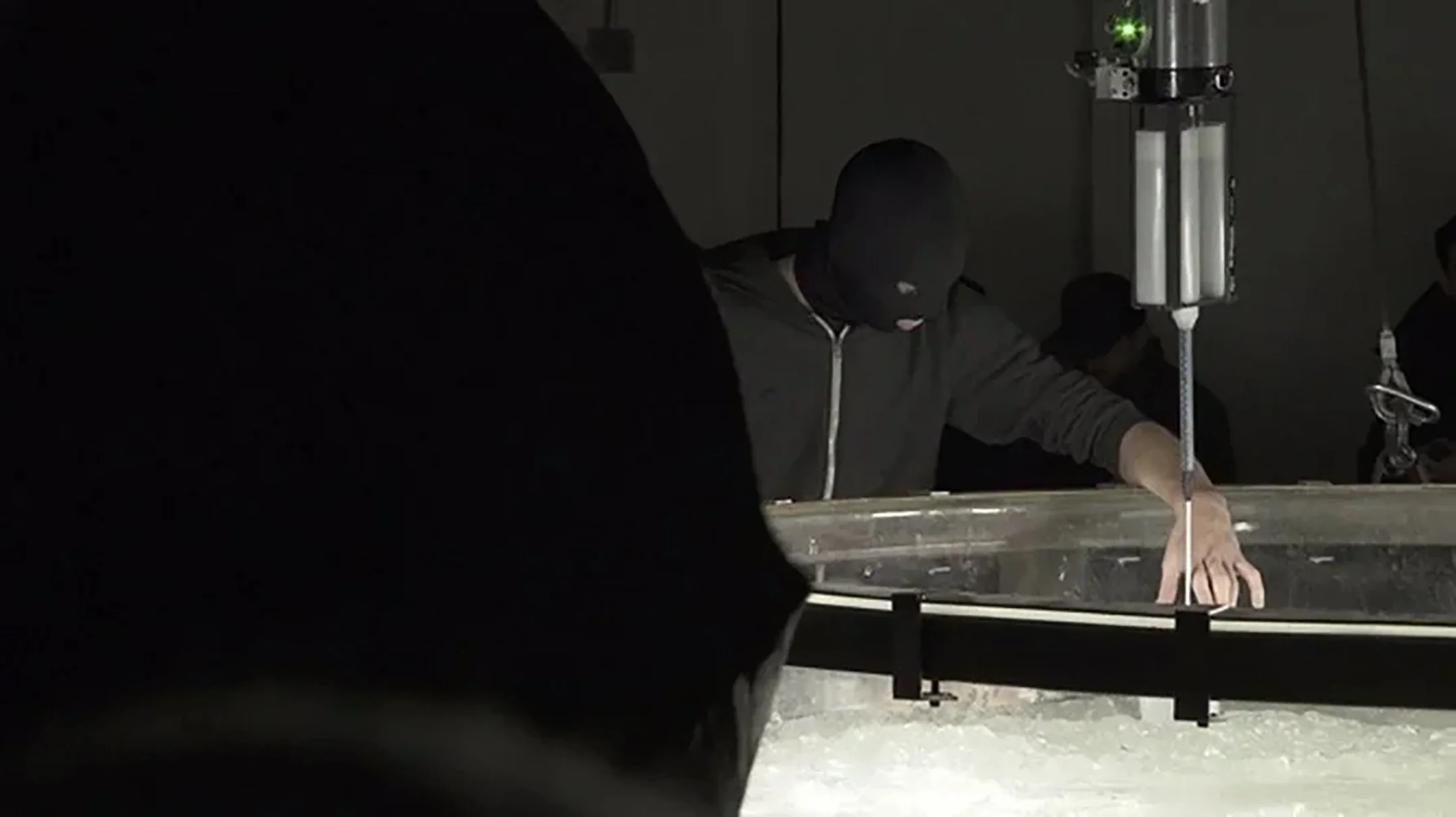
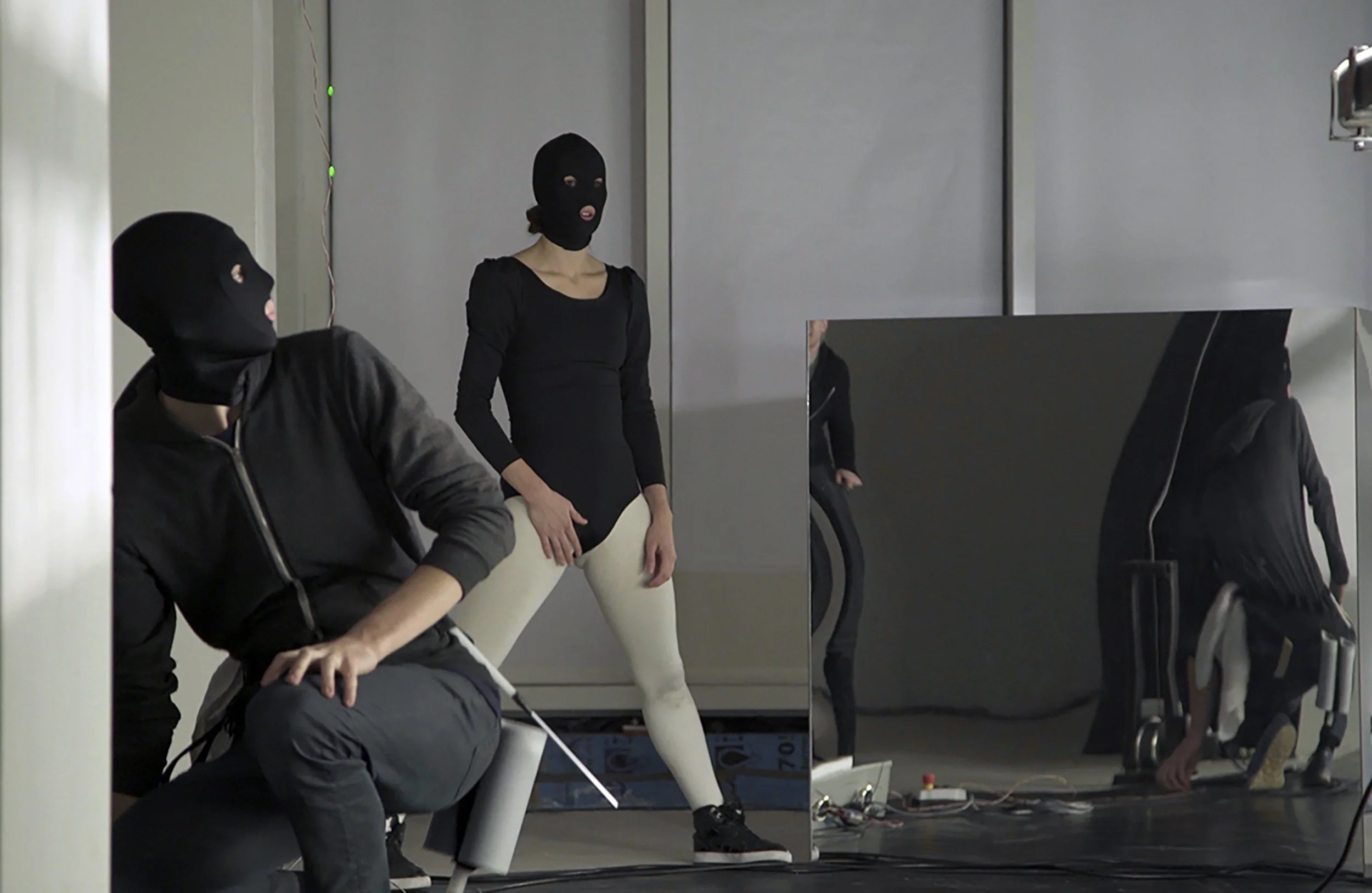
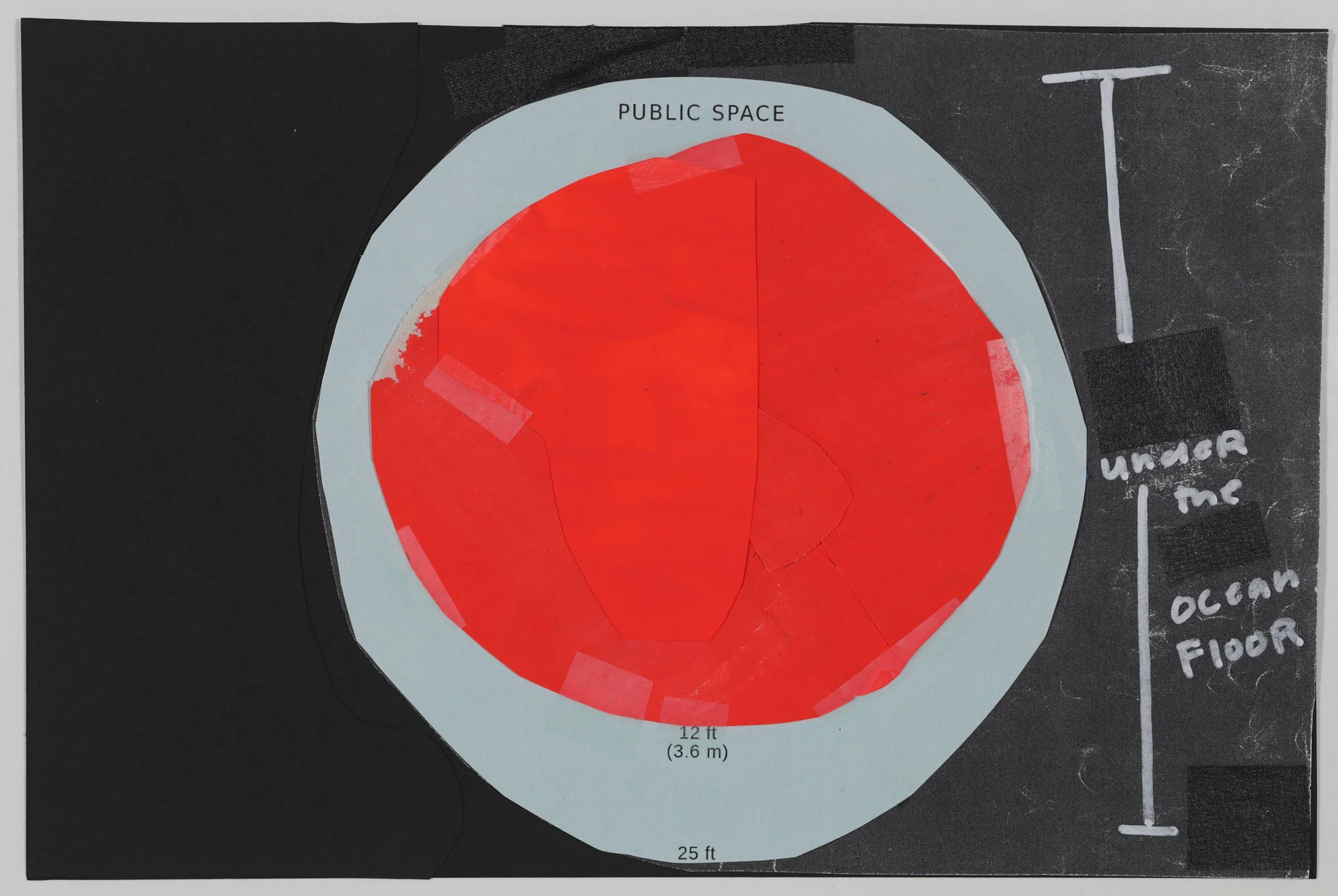
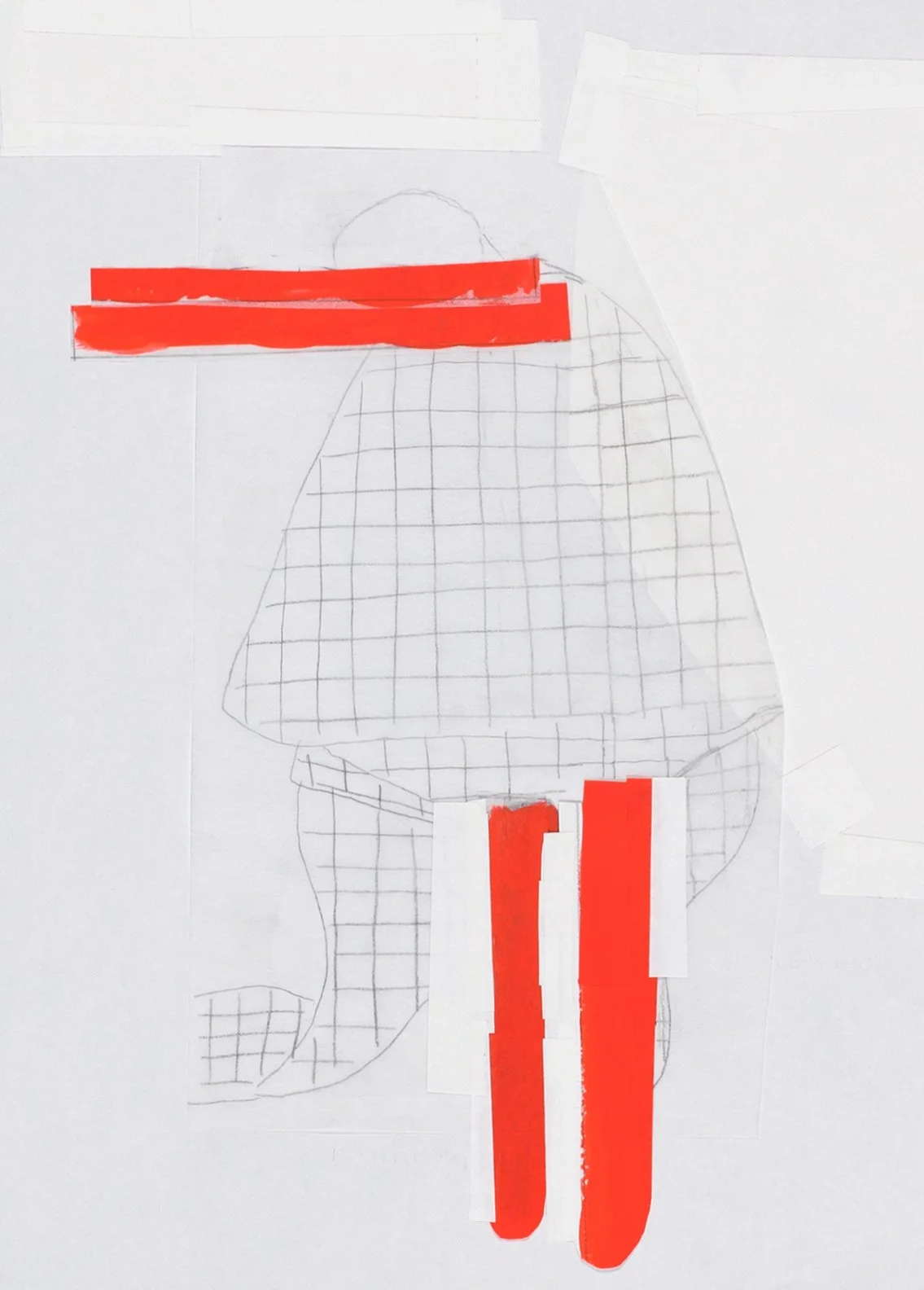
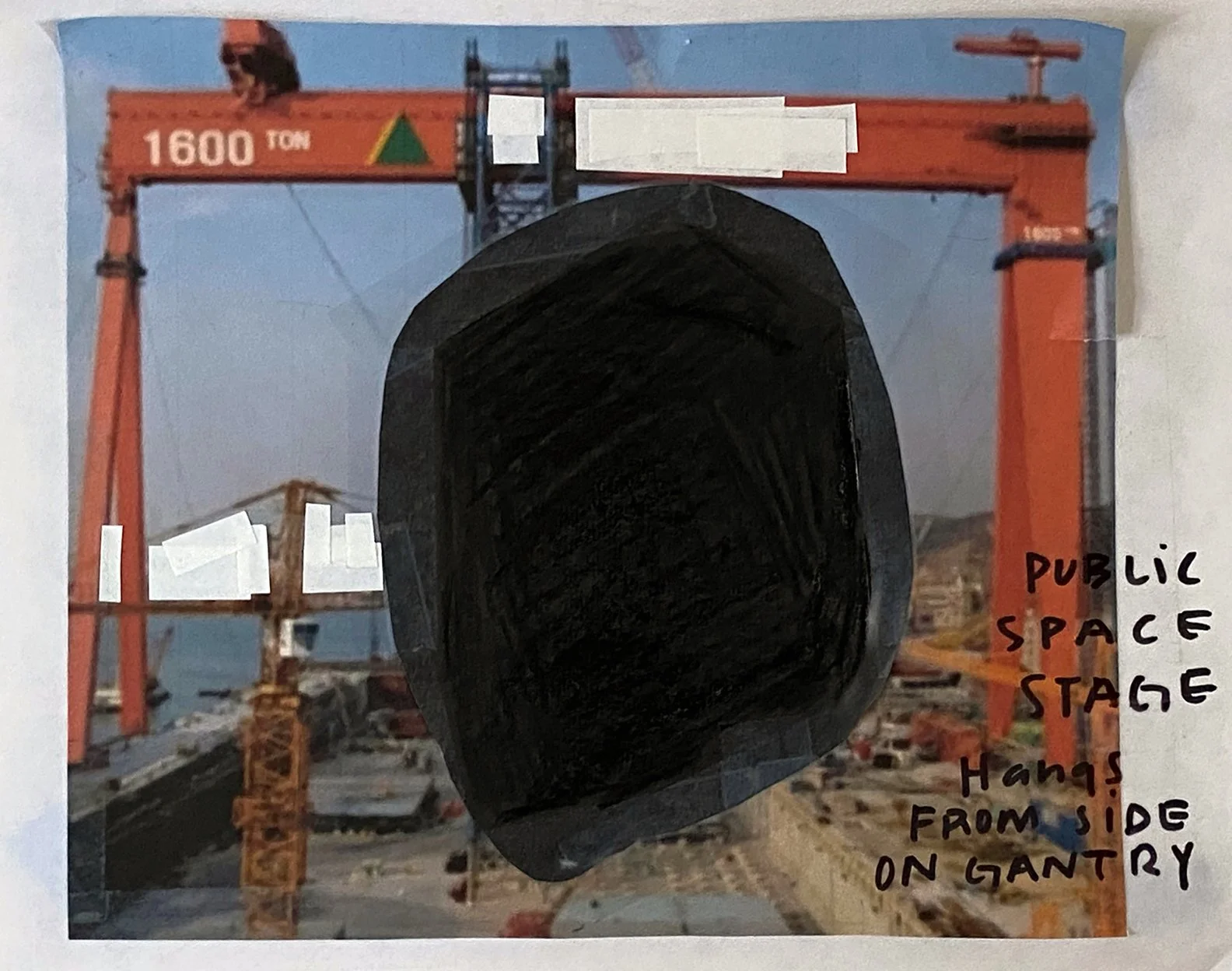
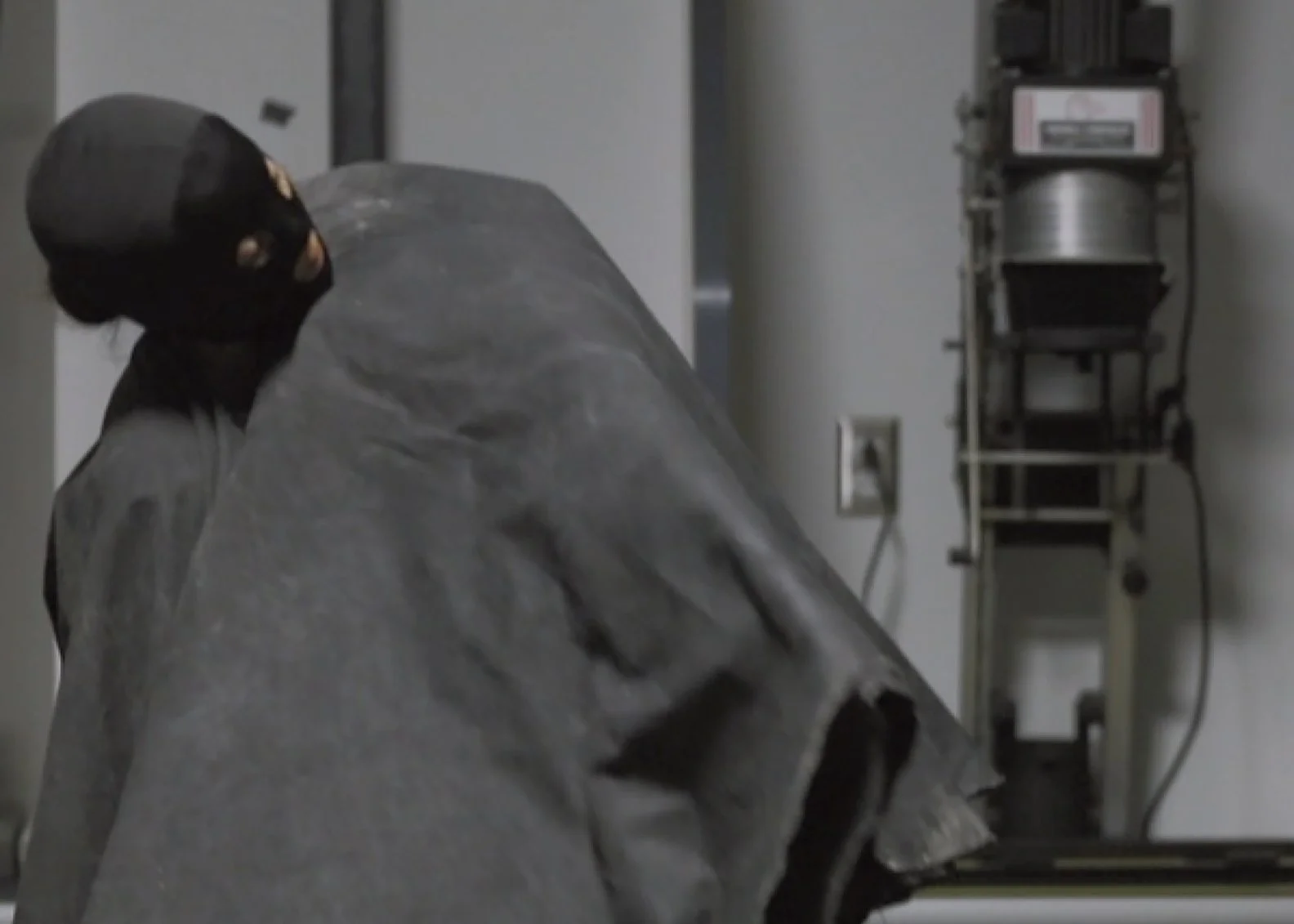
Terre Mécanique began as artistic
and material research with Skylar Tibbits,
Bjorn Sparrman,
and the MIT Self-Assembly Lab,
alongside the early development of Rapid Liquid Print.
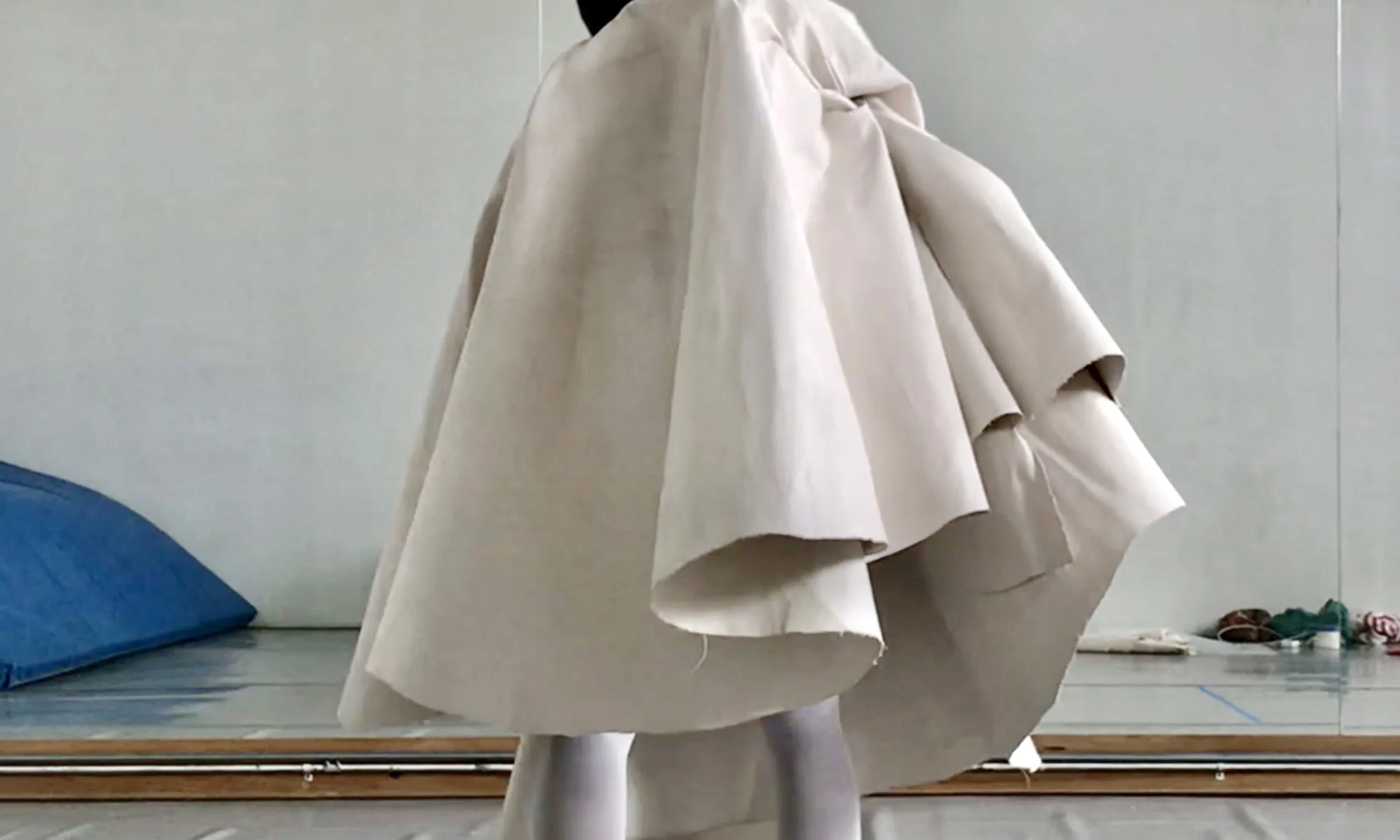
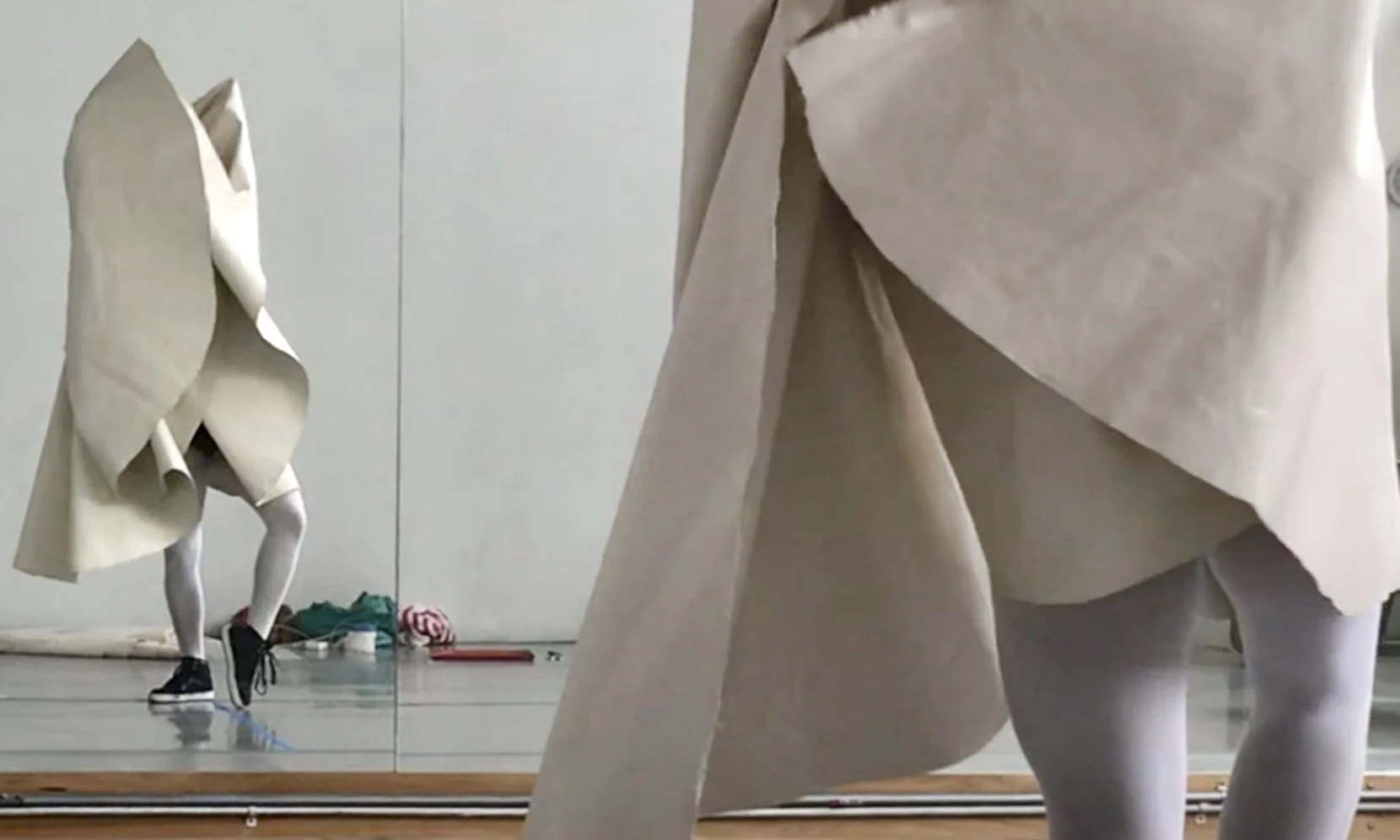
Working across movement studies,
time-based media,
programmable materials,
and industrial fabrication,
the project examined how forces organize bodies
and produce material form.
Earlier works used movement,
camera systems,
and performance to study how bodies organize space,
volume,
and duration.
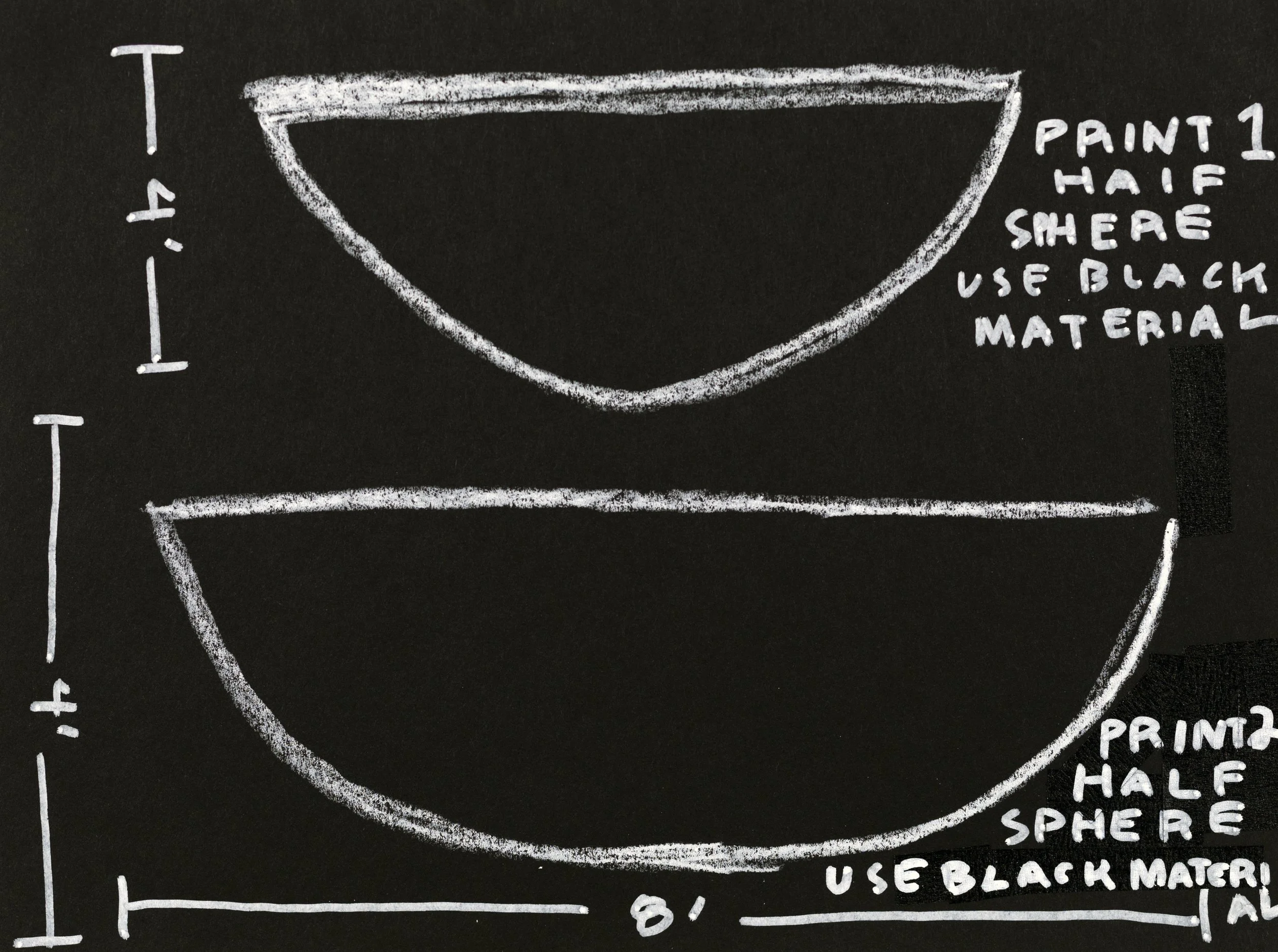
Terre Mécanique brought this inquiry into large-scale fabrication
and material behavior,
establishing a transdisciplinary practice named
Mass Movement (M-MVT).
Developed by Elysian Landscapes,
Kelly Nipper Studio,
and MIT’s Self-Assembly Lab,
M-MVT extends this practice into ecological design
and coastal land regeneration.
Movement is both method and medium.
The dancer is a biological form,
an accumulation shaped,
like land and water,
by gravity, pressure, and time.